Oversight, insight, foresight – and a bit of hindsight
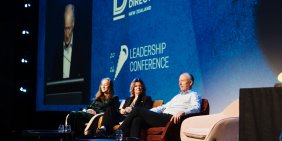
Three experienced chairs on intervention, candour, disagreement and what they expect around the board table.
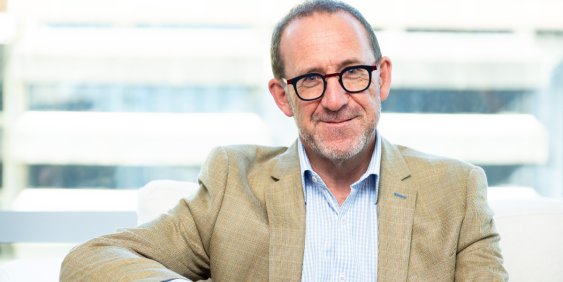
Mayor Andrew Little will share insights and experience from his central and local government career at the IoD’s National Leadership Conference.
Mayor of Wellington Andrew Little has spent more than 25 years in leadership roles in the public eye.
As a union leader, MP, Leader of the Opposition, senior cabinet minister and now mayor of Wellington, he’s navigated change and challenge under intense scrutiny.
Opening the IoD’s 2026 National Leadership Conference in September, Little will draw on his experience in central and local government.
He’ll explore where the two spheres align, where they differ, and how Wellington’s unique position as both the seat of executive government and a local authority offers a powerful lens on those dynamics.
“Public life is challenging,” he says. “You are dealing with conflicting views across a community and have to be able to navigate through those in ways that are respectful – and don’t destroy you personally.”

Little says many of the lessons from public life apply equally in the boardroom, particularly when leaders are balancing competing views while keeping organisations focused on long-term objectives.
“The critical, all-important role of any chair is getting the relationships around the table right. They need to be very actively involved, providing that role of keeping the organisation focused on the agreed strategic objectives.
“It’s essential to keep a close check on ensuring those objectives and agreed values and principles are being complied with.”
He says strong leadership means being “fearless on behalf of the organisation and the shareholders”.
“A good chair has strong relationships with the CEO and senior management but still has to ask the searching questions. A challenge of any leader, especially a board chair, is to work closely with the CEO but also maintain sufficient distance so you can have uncomfortable conversations when needed.
“You do need the right temperament and a high degree of EQ and be able to deal with a range of different personality types, be open to ideas, including ideas that challenge your own. Having an extraordinary degree of patience helps too.
“When a board is dealing with challenging situations, you may have some members who aren’t comfortable with the decisions reached and you have to give them support and time to come on that journey.”
He says that needs to be achieved with a firm eye on achieving agreed objectives.
“There has to be a balance between engaging well with your community and considering a range of ideas, then settling on what the decision ultimately is and executing the design.
“There will always be voices that say you can do things better or differently. It’s important to listen but, once the direction has been set and position agreed upon and understood, then it’s important to continue that.
“In central or local government or any organisation, being unpredictable and unstable is devastating. If an organisation or a board has a track record of flip-flopping and inconsistency, that will affect the confidence of both shareholders and staff.”
Little says there are significant differences between being a minister in central government and a mayor.
“A minister has a dedicated team of officers to prosecute policy objectives and get done what you want to get done.
“The Local Government Act gives a significant amount of power to the CEO and officers of the council. It’s important for the mayor as leader in that context to make sure the relationship between themself and officials is collaborative and they are able to negotiate to get done what elected members want. That does take more effort than central government.”
He sees continuous learning as essential to strong leadership.
“For me the curiosity is always there. I’m always looking for new experiences and insights and to learn from others. I believe that’s something that makes for a good board member and strengthens quality of governance leadership.”
He says diversity is another critical factor.
“That’s very important, in politics and in all organisations, and there has to be renewal and refreshing – not at a level that destabilises but you have to nurture that next generation of talent.
“For people who are new to governance there’s a process where they are learning the ropes and opportunities need to be provided for them to do that.
“It’s exciting and it should be encouraged and nurtured. It’s important that people who are interested in governance get to see the realities of it.
“One of the things I enjoy about the council is you are closer to the community and you hear a very wide range of voices.
“We have some outstanding young councillors and I seek their counsel and look to them, because they are thoughtful, articulate, do the work and are an important weathervane about the merits of any particular ideas.”
The IoD’s Leadership Conference brings together more than 500 directors and business leaders for two days of governance discussion and networking. It will be held at Tākina Convention and Events Centre, Te Whanganui-a-Tara, Wellington, on 3–4 September.
Local and international speakers will discuss governance and leadership issues affecting Aotearoa New Zealand and the wider world. Register here.