Physics does not lie
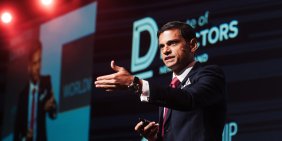
Governance adviser Shai Ganu warns that physical climate risk persists through political cycles as insurance becomes less certain.

Climate risk is hitting assets, costs and finance. Boards need to bring that evidence into investment and strategy decisions.

Karen McWilliams
Climate risk has long been a financial and strategic issue. What is changing is the extent to which its impacts are becoming embedded in core organisational decisions.
Climate change can affect the value and useful life of assets, increase operating and capital costs, disrupt supply chains and workforces, and influence whether an asset remains insurable and financeable. Boards need to factor these effects into investment, strategy and risk decisions, as well as climate reporting and disclosure.
That was one of the themes from the Chapter Zero session at the Climate Change & Business Conference last month, featuring Alec Tang MInstD, incoming CEO of The Aotearoa Circle, professional director Becky Lloyd and Graeme Riddell of Marsh, moderated by Judene Edgar MNZM, CMInstD, Principal Advisor – Governance Leadership at the Institute of Directors New Zealand.
For directors, the focus is where climate impacts already affect financial performance and long-term value.
Physical climate risk is often considered through the lens of major events, such as Cyclone Gabrielle and the Auckland Anniversary floods. These events make the financial implications more tangible. Assets may be damaged or lose value, capital investment may be required and existing assumptions about liabilities may need to be reconsidered.
However, the panel also highlighted chronic, less visible impacts. Higher temperatures can affect water flows, energy generation and operating costs. Disruption to transport, infrastructure and communities can affect whether employees can get to work, customers can access services and supply chains can continue operating.
The exposure may sit across the value chain and broader system on which the organisation depends, including infrastructure, natural systems, communities and the workforce.
The financial effects may first appear through higher operating costs, changing asset valuations or additional capital requirements. That puts climate risk squarely into strategy, finance, risk and audit discussions.
Many board decisions have consequences extending over decades. Infrastructure, ports, telecommunications and water assets are designed for long operating lives. Directors are therefore making decisions today about assets that will operate under different climatic conditions.
The session offered the example of a port considering how to make a mole more resilient to sea-level rise and storms. Engineers tested different designs using a scale model in a wave tank. The exercise gave the board better information about the options and their resilience under different conditions.
Perfect information will rarely be available. Directors should instead ask:
These questions go directly to capital stewardship.
Capital allocation provides a practical opportunity to address climate risk. Before an organisation buys, builds or substantially upgrades an asset, the board can test whether it will remain resilient, insurable and commercially viable.
Insurance can provide an important signal. Boards need to consider whether insurance will remain available, what it will cover and whether reliance on it delays a harder decision.
If an asset cannot be insured, this may also affect its financing, marketability and value. Directors should therefore treat insurance information as an input into strategy and investment decisions, rather than considering it only after those decisions have been made.
Climate disclosure can establish a useful baseline and help an organisation understand its exposure. That analysis then needs to inform board decisions.
Boards and management need connected conversations across finance, risk, strategy, operations and sustainability. Finance professionals have an important role in translating climate risks into assumptions about asset lives, valuations, cash flows, operating costs and capital requirements.
Directors will rarely have certainty. They need enough information to test the assumptions behind major investment and strategy decisions.
Climate risk is already showing up in asset values, insurance and capital decisions. The board’s job is to make sure those effects are visible when decisions are made.