
Geopolitical climate reader
This reader explores how boards can understand geopolitical uncertainty, test its implications for strategy and make timely decisions as…
The proposed legislation would bring greater scrutiny to supply chains – and to what boards know, ask and do about exploitation.
There is a terrible silence behind some of the things we buy. It sits inside a shirt folded neatly on a shelf, a phone charged beside a bed, a bag of groceries at the checkout, a shipment unloaded at dawn. We do not see the exhausted worker who cannot leave, the passport withheld, the debt that grows faster than the wages, the child denied a childhood or the migrant promised safety and paid in fear. Modern slavery is designed to be invisible.
For too long, New Zealanders have been able to believe that modern slavery is something that happens somewhere else: in distant factories, poorer countries or places beyond the reach of our consumer choices and boardroom decisions. That comfort is false. The 2023 Global Slavery Index estimated that 8,000 people were living in modern slavery in New Zealand on any given day in 2021, and almost 50 million people globally were trapped in modern slavery, including forced labour and forced marriage. That scale is almost impossible to absorb, but it becomes painfully simple when we remember that every number is a person.
New Zealand’s Modern Slavery Bill, introduced in February 2026, is therefore more than another compliance proposal. It is a moral test. The Bill seeks to strengthen and coordinate action against modern slavery, including trafficking in persons. Its central mechanism is mandatory reporting: large reporting entities with consolidated revenue exceeding $100 million revenue would be required to explain how they identify, address, mitigate and remediate modern slavery risks and incidents in their operations and supply chains. Those statements would be published, creating a public record for customers, investors, employees, communities and regulators to scrutinise.
Modern slavery survives in darkness. It thrives where procurement teams don’t question, where boards see supply chains as lines on a spreadsheet rather than lives, where price pressure is pushed down until someone at the bottom pays with their freedom.
Businesses do not need to wait for the Bill to pass before asking harder questions. Whether or not your organisation is immediately captured by the revenue threshold, larger businesses are already looking more closely at suppliers, while smaller suppliers can expect harder questions from customers, lenders and partners. Boards should seek assurance about how modern slavery risks are identified and managed. Executives should be able to explain what the organisation has actually done.
Complex global supply chains cannot be made risk-free overnight. The question is whether organisations are willing to search for harm even when finding it may be inconvenient, embarrassing or costly. Discovery is the point at which the real test begins – how the organisation responds, remedies the harm and prevents it happening again. Choosing not to look avoids none of the underlying harm.
Aotearoa New Zealand also trades on trust. We expect the world to believe in the integrity of our food, fibre, tourism, education, public institutions and values. We speak of fairness, dignity and manaakitanga. Those words must travel all the way through the supply chain. They must reach seasonal workers, cleaners, drivers, factory workers, farm labourers, seafarers and subcontracted staff whose names never appear in annual reports. If our prosperity depends on people we refuse to see, then our values are only decorative.
The Bill has its critics. Some argue that reporting creates cost, complexity and paperwork and is unnecessary. Others argue that the Bill should go further and match the EU’s requirements for mandatory due diligence. Australia and Canada are actively considering due-diligence requirements, while the United Kingdom is considerably strengthening its modern slavery regime. Reporting alone will not end exploitation. Done properly, however, disclosure requires organisations to map risk, confront uncomfortable truths, build grievance channels, investigate complaints, remediate harm and test whether their response is working.
The Bill as currently drafted would create potential personal criminal liability for directors who knew or could reasonably be expected to have known that a reporting offence was occurring and failed to take all reasonable steps to prevent or stop it. The Institute of Directors’ submission on the Bill proposes that liability should instead rest with the entity.
Legislation cannot cleanse every supply chain. Laws never do all the work of conscience, but they can make conscience operational. They can turn concern into governance, values into evidence and sympathy into action.
I’ve yet to meet someone who denies that modern slavery exists or argues that it’s OK to do nothing. For New Zealand, this is a chance to look behind the label and decide that no product, margin, contract or convenience is worth another person’s freedom.

In March 2021, more than 100 New Zealand businesses signed an open letter urging the New Zealand Government to launch an inquiry into a Modern Slavery Act. The Modern Slavery Bill passed its first reading with 91% cross-party support on 29 April 2026. The Select Committee is due to report its findings by 30 August 2026.
This article is provided for general information only and should not be used or relied upon as a substitute for proper professional advice. Legislative settings may change as the Modern Slavery Bill progresses through Parliament.
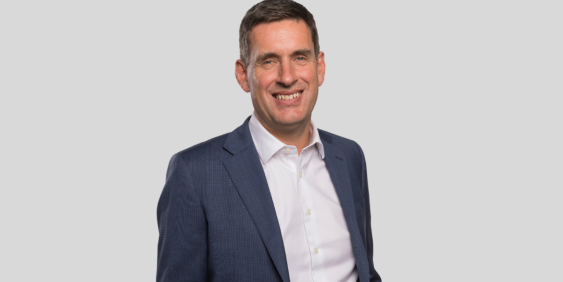
Matt Prichard will speak at the 2026 IoD Leadership Conference in the Fast Fact Session, Modern slavery: The board’s responsibility. Register here.