
Geopolitical climate reader
This reader explores how boards can understand geopolitical uncertainty, test its implications for strategy and make timely decisions as…
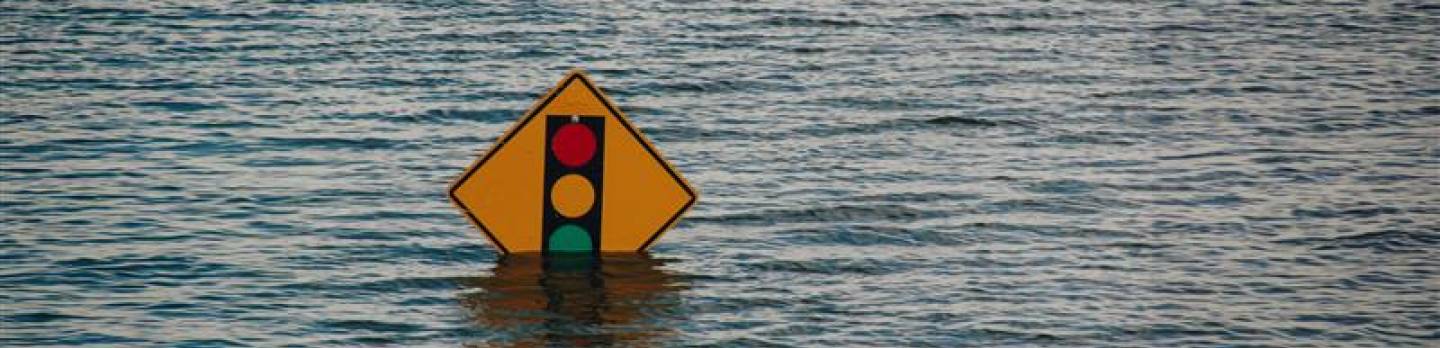
Stormwater is not just pipes and pumps. It is risk oversight, resilience investment and long-term value protection.
In the wake of the Auckland Anniversary floods and Cyclone Gabrielle in 2023, New Zealand was left with more than $15 billion in damage and a sobering reminder: our infrastructure, our communities and our governance systems are under pressure from a changing climate. These events were not anomalies; they were signals of a new normal.
Yet, in the 2024 Chapter Zero New Zealand Impact report, only 1.3 percent of directors identified climate change as the top risk facing their organisation. Fewer than half of boards felt confident in their ability to respond to climate risks. This does not suggest indifference; rather, it reflects how climate risk is embedded within other categories – insurance availability, asset values, land use decisions and long-term infrastructure liabilities – and how complex governing under uncertainty can be.
Stormwater, often seen as a technical or operational concern, is in fact a mirror of how we manage land, growth and equity. It is a reflection of our past decisions: where we built, how we paved, what we prioritised. And it is increasingly a test of our future vision.
For directors, it is also a test of governance discipline, whether risk frameworks, investment decisions and growth strategies are aligned with physical reality.
As stormwater professionals, we see this every day. We work in the culverts and catchments, but also in the council chambers and community halls. We are engineers, planners, scientists and (with increasing importance) communicators.
For the past several years, national attention has focused heavily on water reform, particularly the development and debate around the Three Waters programme. As we now move into a new phase of reform, with regional council rationalisation underway and the transition from the Ministry for the Environment to the new Ministry for Cities, Environment, Regions and Transport, the spotlight is shifting.
This is a pivotal moment. As new service delivery models emerge, through council-controlled organisations, regional collaborations or other frameworks, it is essential that stormwater does not fall through the cracks. Unlike drinking water and wastewater, stormwater is deeply intertwined with land use, urban design and environmental health. Stormwater management is no longer just about pipes and pumps. It requires governance attention that spans infrastructure, planning and community wellbeing.
The decisions made now will shape how stormwater is governed, funded and integrated into broader resilience strategies.
For directors and senior leaders, ensuring that stormwater receives the right level of governance attention in this next chapter of reform will be critical to protecting communities and balance sheets from the growing risks of flooding, pollution and climate disruption.
In this context, the role of directors and senior leaders becomes even more critical. The decisions made in boardrooms, public and private, will shape how we respond to climate risk, how we invest in resilience and how we support our communities through change.
This is not simply about infrastructure delivery. It is about risk oversight, capital prioritisation and long-term value protection.
There are already signs of what’s possible:
Managed retreat is one of the most difficult challenges we face. It is not just a technical or financial issue; it is political and deeply social. It requires a social licence to operate, and that licence is built through leadership, transparency and shared purpose. Directors and senior leaders have a role to play in supporting these conversations, ensuring that decisions are made with care, courage and a long-term view.
In many cases, the most difficult decisions boards will face are not about engineering feasibility, but about fairness, timing and accountability.
Some organisations are already adapting. Boards like that of Summerset Group have made climate resilience a whole-of-board responsibility. Others are establishing sustainability committees or embedding climate into their risk frameworks. These are important steps, but more will be needed.
Whole-of-board ownership, integration into enterprise risk management and disciplined capital planning will increasingly differentiate organisations that are resilient from those that are exposed.
The 2026 Water New Zealand Stormwater Conference, 12–14 May in Auckland, will explore these themes under the banner ‘Stormwater is a Taonga: Managing Challenges and Opportunities’. In te ao Māori, wai, or water, is a treasured resource with its own mauri, or life force. This worldview reminds us that water is not just a utility; it is foundational to our health, our economy and our identity.
A dedicated governance panel will bring together Water Services Council Controlled Organisation (WSCCO) board members, local government leaders and infrastructure funders to discuss how we can deliver resilient stormwater systems in this new era. It will be an opportunity to examine how governance settings can better align risk, funding and long-term resilience outcomes.
The way we work is changing. The way we manage land, water and risk is changing. And we need strong, thoughtful leadership to ensure that these changes take us somewhere better: to communities that are safer, more equitable and more resilient.
Stormwater may not always be visible. But it is everywhere. It flows around our streets, our businesses, our homes, our policies and our plans. It connects us across sectors, across regions and across generations. As we look to the future, the question is not whether change is coming. The question is whether governance will lead it deliberately or respond after the fact.
Let’s make sure we get it right.
Darren Tiddy works in the Infrastructure Advisory team at EY-Parthenon New Zealand and is the incoming chair of Water New Zealand's Stormwater special interest group from May 2026.